Key takeaways
The practical starting point
- Start with one active format
- Use lotion on calm intact skin
- Persistent burning, rash or peeling means the routine needs to pause.
Understand the ingredient and product format
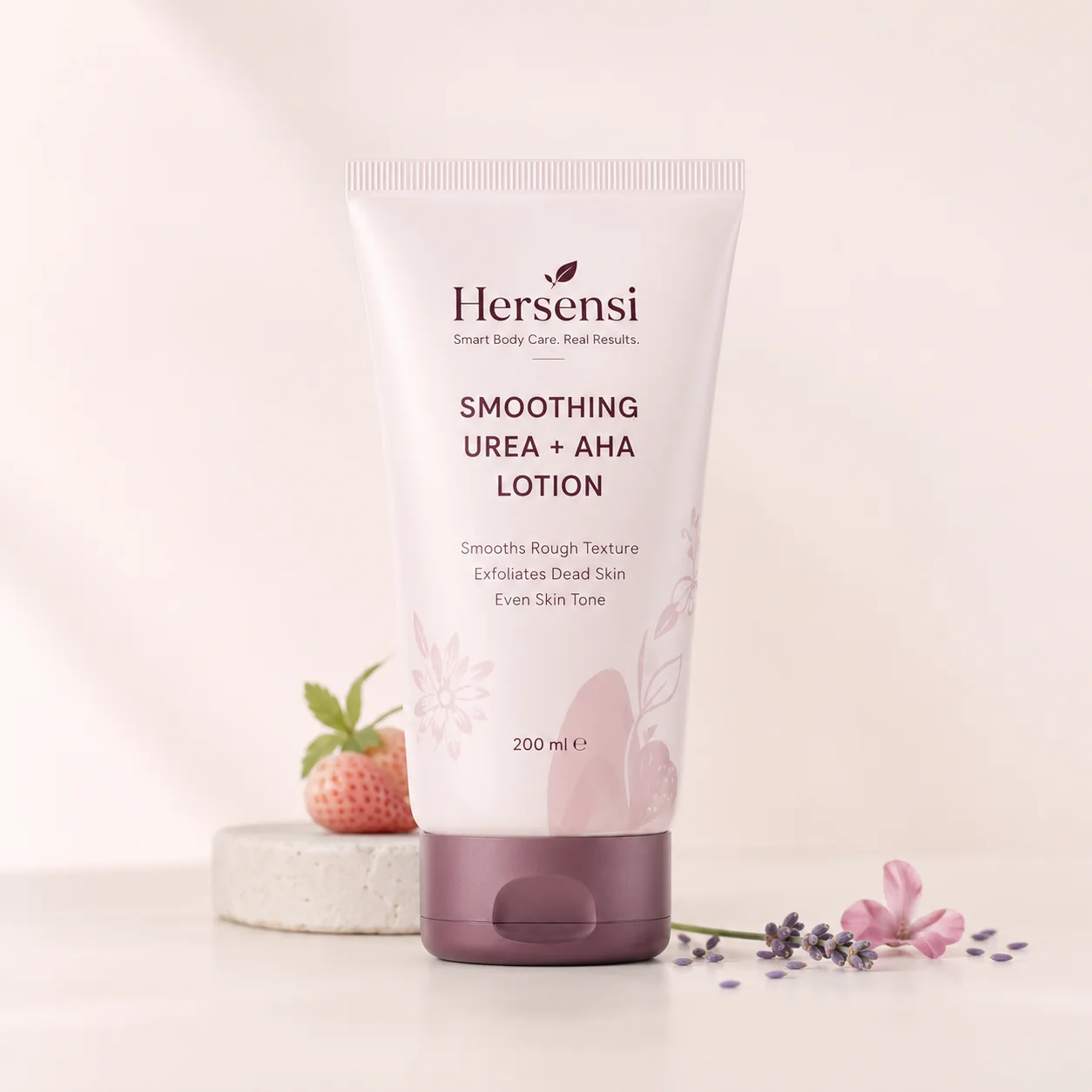
A wash has short contact and cleansing surfactants. A lotion remains on the skin and can moisturise or exfoliate for longer, increasing both potential benefit and irritation risk.
Do not diagnose body wash vs leave on lotion from one photograph or one product response. Look at timing, location, sensation and repeat triggers before changing several steps.
Control total active exposure
Use a short routine long enough to understand what changes comfort and what creates irritation.
- Start with one active format
- Use lotion on calm intact skin
- Do not assume matching ingredients are duplicates
- Reduce total weekly frequency
- Moisturise without extra acids when irritated
Irritation, sun and professional advice
A wash may suit broader cleansing, while a lotion can target dry rough areas. The best option depends on concern and tolerance.
Persistent burning, rash or peeling means the routine needs to pause.
Questions before combining products
Write down the answers before changing the routine. They often reveal a trigger that a new product cannot fix.
- Is the concern oily or dry?
- How large is the treated area?
- Are both products active?
- Was the skin recently shaved?
Judge the formula, not the ingredient name
The phrase body wash vs leave on lotion describes a topic, not a complete formula. Concentration, pH, rinse-off versus leave-on use and total weekly exposure determine behaviour.
Use the final label as the source of truth and reduce or stop use when burning, persistent redness or peeling appears.
Common questions
Questions people ask before changing the routine
Which is stronger?
Format alone does not determine strength; concentration and pH matter.
Can I use both?
Potentially, but introduce slowly and follow directions.
Which suits KP?
A moisturising leave-on formula may support dry rough texture, but individual tolerance matters.
Editorial sources
Where the safety framework comes from
These sources support the general educational and safety boundaries in this guide. They do not validate a specific Her Sesni formula or replace personal medical advice.
- Alpha Hydroxy Acids — U.S. Food and Drug AdministrationSafety information about cosmetic AHAs and increased sensitivity to ultraviolet radiation.
- Beta Hydroxy Acids — U.S. Food and Drug AdministrationConsumer precautions for BHA cosmetics, including patch testing, following directions and sun protection.
- Keratosis pilaris: self-care — American Academy of DermatologyDermatologist guidance on gentle care, moisturising and keratolytic ingredients such as urea, AHAs and salicylic acid.